(925) 837-7745
This is some text inside of a div block.
Book Appointment
Book Appointment
.png)
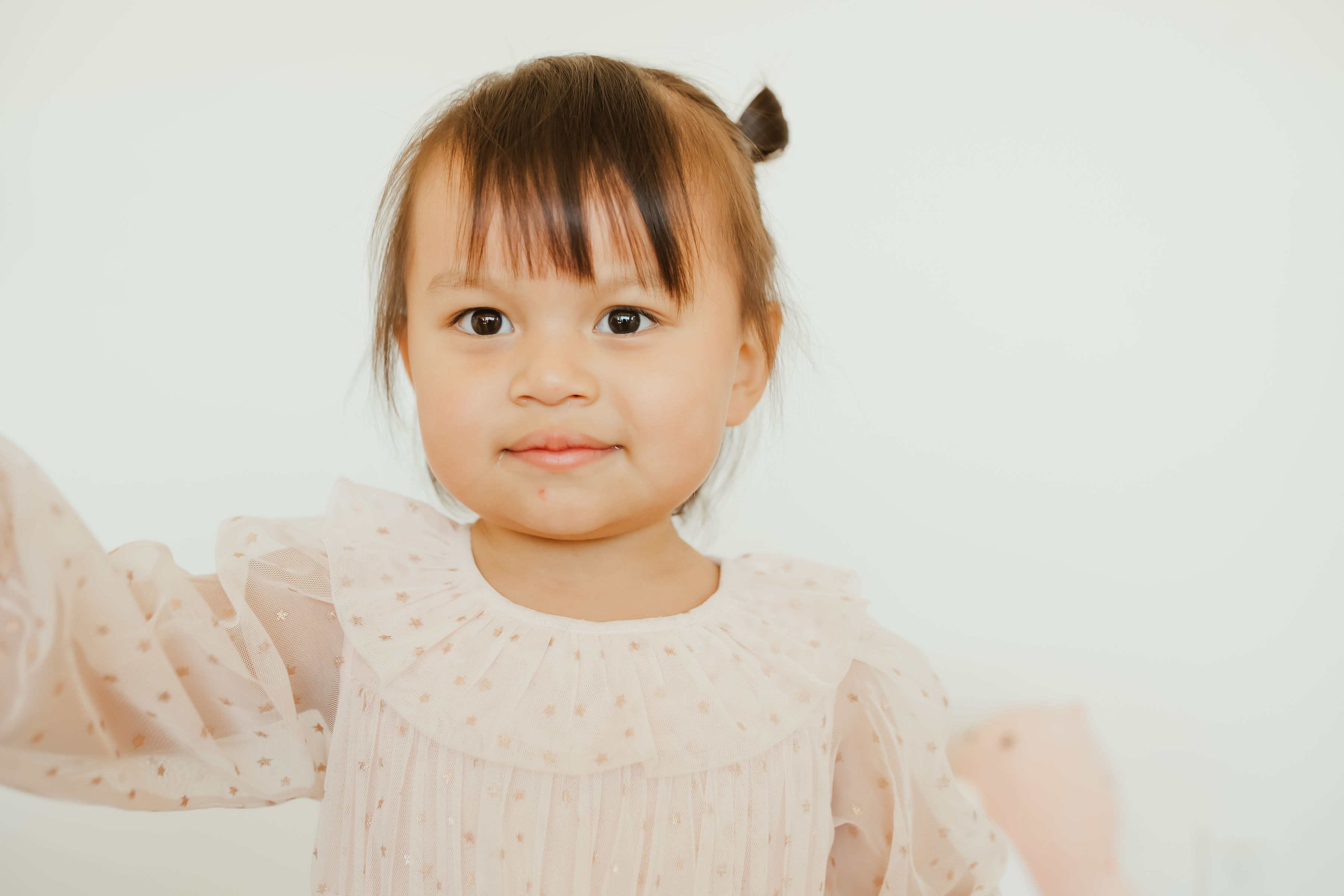
If your baby has grown attached to their pacifier, you’re not alone! Many families find that by six months, the pacifier has become part of their daily routine. The good news is, with a gentle and consistent approach, you can help your baby transition away from it smoothly and support both their comfort and their oral development.
Begin by limiting pacifier time to naps and bedtime only. This allows your baby to practice self-soothing and build other calming routines while awake.
Try replacing the pacifier with:
Babies quickly adapt when they have other ways to feel secure.
Once your baby adjusts to less daytime use, begin removing the pacifier once they’re asleep. Allow them to fall asleep with it, and then remove it fairly soon after they are fast asleep. That way, they get to use it to fall asleep, but by taking it out soon after, their tongue can rest on the palate.
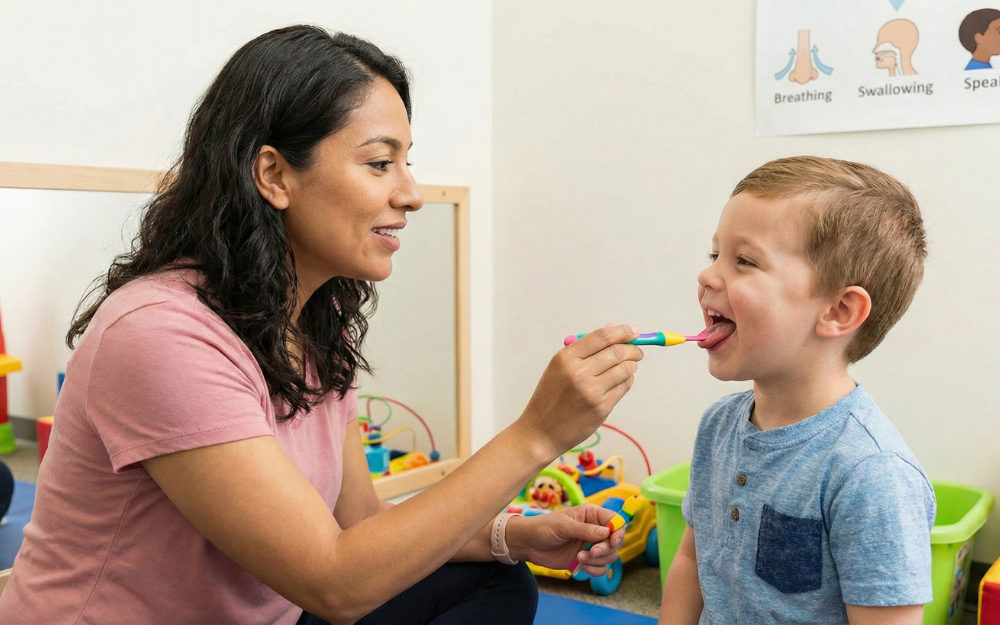
Encourage natural oral movements through:
These activities strengthen the same muscles the pacifier once engaged — but in ways that promote healthy growth.
Weaning doesn’t have to be stressful! With patience and consistency, most babies fully transition within a few weeks. Remember, you’re not just taking something away; you’re giving your baby the foundation for healthy breathing, speech, and dental development.
If your baby struggles to give up the pacifier or you notice changes in their bite, palate, or breathing (such as mouth breathing or snoring), we’re here to help. Our team can provide personalized guidance to support your child’s oral growth and comfort.

To schedule a consultation, please click the button, submit your information, and we’ll get back to you shortly.






.png)
.png)
.png)
.png)
.png)
.png)
.png)
.png)
.png)
.png)
.jpg)
.png)
.png)
.jpg)
.png)


.png)
.jpg)