(925) 837-7745
This is some text inside of a div block.
Book Appointment
Book Appointment
.png)

It’s something we hear all the time:
“My child just has allergies.”
“They’re always a little congested.”
“They’ll grow out of it.”
And most of the time, it does start small — a stuffy nose, some sneezing, maybe a little mouth breathing at night.
But over time, that constant congestion can quietly begin to affect something much bigger:
your child’s breathing, sleep quality, and even how their face develops.
When children are exposed to everyday triggers like dust, pollen, pets, or mold, the body responds as it’s designed to—with inflammation. Inside the nose, tissues begin to swell, mucus production increases, and the airway gradually narrows.
What may look like a simple runny nose is often ongoing nasal inflammation beneath the surface. And when that inflammation doesn’t fully resolve, the nose doesn’t quite return to normal—it stays partially blocked, even between flare-ups.
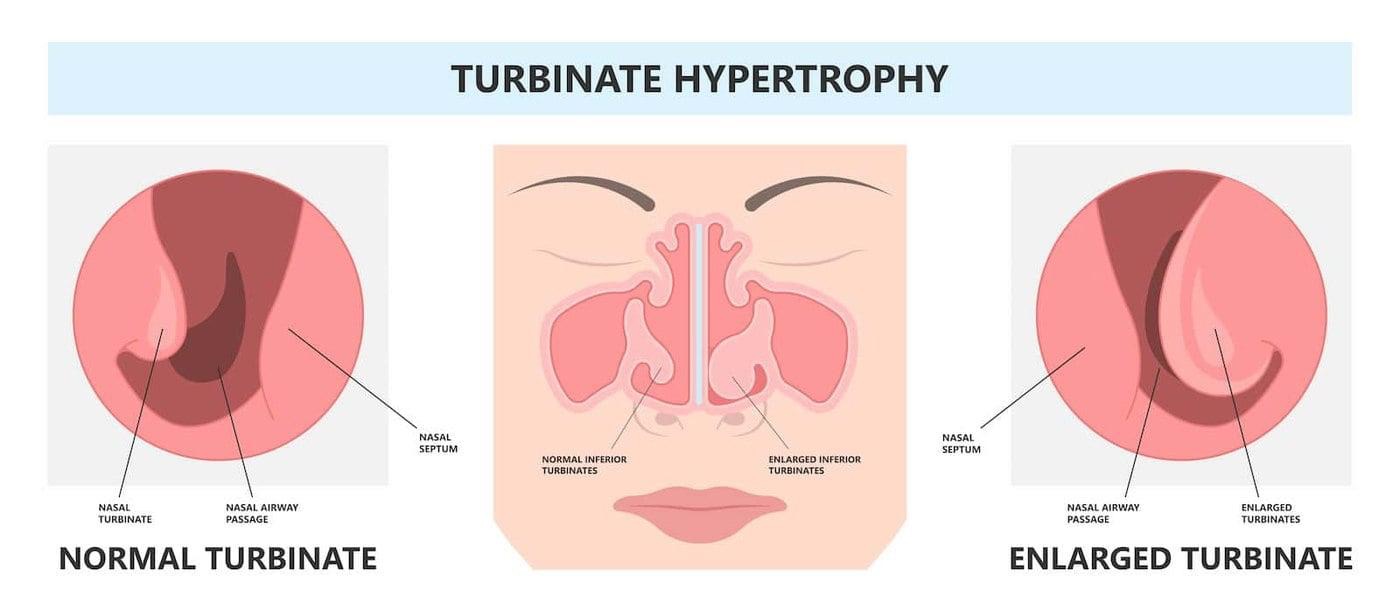
Inside the nose are small structures called turbinates, which help filter and condition the air your child breathes. But with ongoing allergies, these tissues can stay chronically enlarged.
That means:
At this point, many children don’t consciously choose what happens next. Their body does.
This is when mouth breathing begins
When nasal breathing becomes difficult, children naturally switch to mouth breathing.
You might notice:
And while mouth breathing helps them get air in the moment, it comes with trade-offs. Because the nose isn’t just for breathing — it’s for protection.
The nose plays a critical role in filtering allergens and particles, humidifying the air, and supporting the body’s immune defense. When breathing shifts to the mouth, that protection is lost—air becomes dry and unfiltered, more irritants travel deeper into the airway, and the immune system remains constantly activated. Over time, this increased exposure doesn’t just stay in the nose—it begins to affect the airway further down.
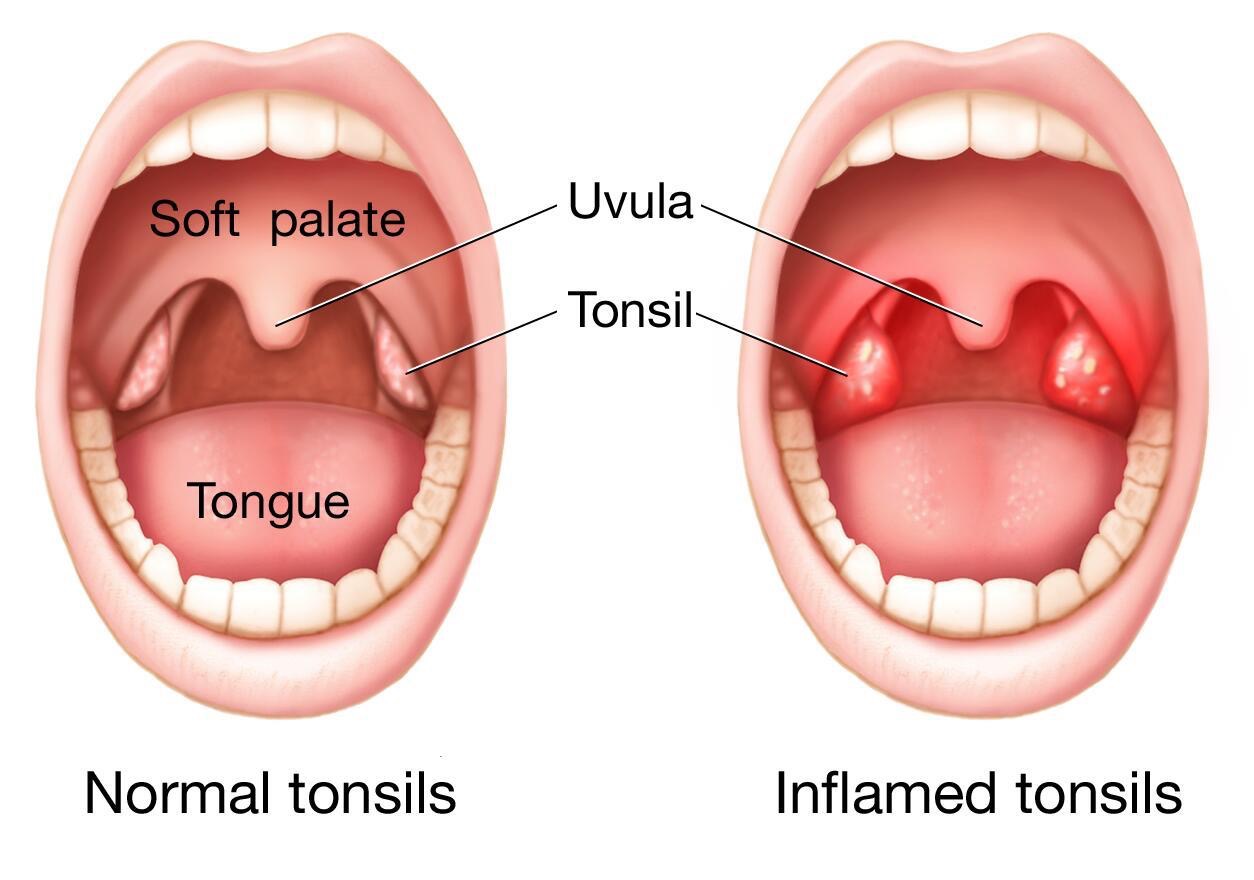
Tonsils and adenoids are part of the body’s immune defense system. They react to what your child breathes in.
So when the airway is constantly exposed to unfiltered air, allergens, and inflammation, these tissues can become overworked. And eventually, enlarged. This creates an additional layer of blockage—especially at night.
At this point, what started as simple allergies often becomes a repeating cycle.
It begins with nasal inflammation, which makes it harder to breathe through the nose. That leads to mouth breathing, which can contribute to enlarged tonsils and adenoids, creating even more airway restriction.
And it doesn’t just affect breathing.
You might start to notice snoring or restless sleep, daytime fatigue, or even hyperactivity, and difficulty focusing. Over time, it can also influence the development of your child’s face, jaws, and airway.
Because the way a child breathes plays a bigger role in growth than most people realize.
When a child has chronic congestion, we’re not only thinking about symptom relief.
We’re looking at:
Because these are all connected.
You don’t need to diagnose anything to start paying attention.
Small observations matter:
Simple supports can also help:
Allergies are common—but ongoing airway changes don’t have to be.
When these patterns are recognized early, we can begin to support easier breathing, better sleep, and healthier development—before they become more ingrained.
Because something as simple as how a child breathes today can shape how they grow, feel, and function over time.

To schedule a consultation, please click the button, submit your information, and we’ll get back to you shortly.












.png)

.png)
.png)
.png)
.png)
.png)
.png)
.png)
.png)
.png)
.jpg)
.png)
.png)
.jpg)
.png)


.png)
.jpg)