(925) 837-7745
This is some text inside of a div block.
Book Appointment
Book Appointment
.png)
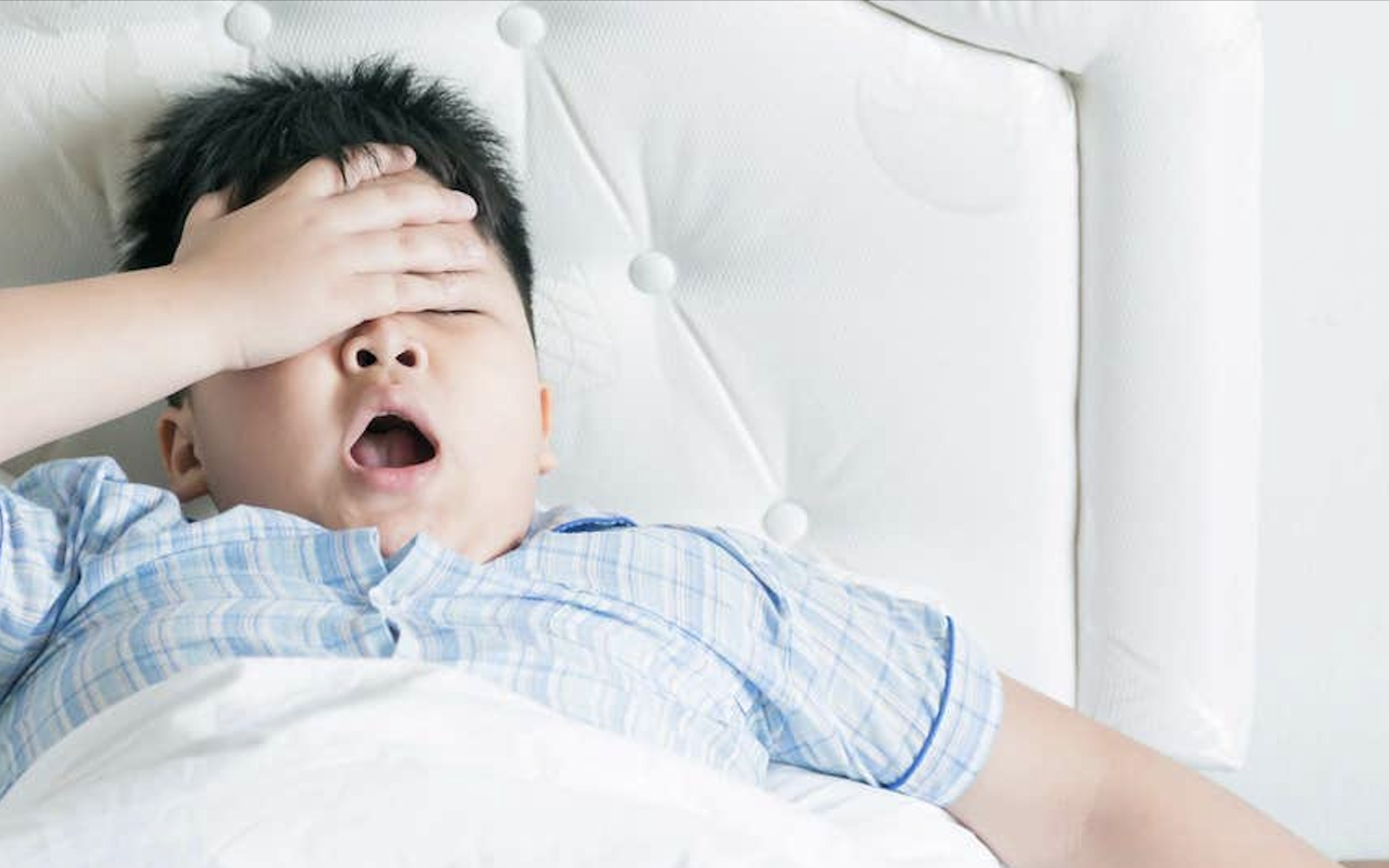
When we think about a child getting a good night’s sleep, we often picture a child who falls asleep easily, stays asleep, and wakes up ready for the day. But sleep quality is about more than the number of hours your child spends in bed.
A child can sleep for 10 hours and still not get the restorative sleep their growing body needs.
Sometimes, the signs of disrupted sleep are subtle. Instead of saying, “I’m tired,” children may show changes in their behavior, breathing, mood, or daytime habits.
Here are 7 signs that your child may not be sleeping as well as you think.
Snoring is not always something to simply “grow out of.”
Occasional snoring can happen when a child has a cold or is congested. However, frequent or persistent snoring may be a sign that your child is working harder to breathe while sleeping.
You may also notice noisy breathing, gasping, pauses in breathing, or heavy breathing during the night.
These signs are worth discussing with your child’s healthcare provider.
Ideally, children should be able to comfortably breathe through their nose while sleeping.
If your child frequently sleeps with their mouth open, it may be a sign that nasal breathing is difficult or that their airway is not functioning optimally.
You might notice their lips falling open during sleep, a dry mouth in the morning, or persistent mouth breathing during the day as well.
Mouth breathing is not simply a habit it can sometimes be a clue that something is making nasal breathing more difficult.
Does your child seem to be everywhere except where they started when you tucked them in?
Frequent tossing and turning, changing positions, kicking blankets off, or sleeping in unusual positions may indicate that their body is trying to find a more comfortable way to breathe.
Some children may naturally sleep in positions that help them maintain a more open airway, such as extending their neck or sleeping with their head tilted back.
Restless sleep doesn't automatically mean there is an airway issue, but when it occurs alongside other signs, it is worth paying attention to.
If you hear your child grinding their teeth at night or notice signs of clenching, don't automatically assume it is just a dental habit.
Sleep-related bruxism can have several contributing factors, and disrupted breathing is one area that may deserve consideration.
Your child’s dentist can look for signs of tooth wear, jaw tension, and other oral findings while also considering the bigger picture of their sleep and airway health.
How your child feels when they wake up can tell you a lot about how they slept.
A child who consistently wakes with a dry mouth, morning headache, sore throat, or noticeable bad breath may be experiencing mouth breathing or other sleep related issues.
These symptoms can have many causes, so they shouldn't be used to diagnose a sleep or airway disorder on their own. But they can be useful clues when combined with other symptoms.
Children don't always look sleepy when they're tired.
Instead, inadequate or disrupted sleep may show up as irritability, difficulty concentrating, emotional changes, or hyperactivity.
You may notice that your child has a harder time sitting still, paying attention, regulating emotions, or getting through the day.
If your child seems to have plenty of time to sleep but consistently struggles during the day, it may be worth looking beyond simply asking, “How many hours are they sleeping?”
The better question may be: “How well are they sleeping?”
This is one of the biggest clues parents sometimes overlook.
Your child may be getting what appears to be an appropriate amount of sleep but still wake up difficult to wake, groggy, irritable, or unrefreshed.
That can happen when sleep is frequently disrupted throughout the night.
Sleep quantity and sleep quality are not the same thing.
A child can spend many hours asleep without getting the restorative sleep their body needs.
One symptom alone doesn't necessarily mean your child has an airway or sleep disorder.
But when you start seeing multiple signs together such as snoring, mouth breathing, restless sleep, teeth grinding, unusual sleeping positions, morning symptoms, or daytime behavior changes it may be time to take a closer look.
Your child's pediatrician, pediatric dentist, sleep specialist, ENT, or other qualified healthcare professional can help determine whether further evaluation is appropriate.
At Flourish Airway Collective, we believe that sleep, breathing, oral function, and overall health are all connected pieces of the bigger picture.
Sometimes, the clues to better sleep aren't found in how long your child sleeps but in how they breathe while they're sleeping.
If something about your child's sleep doesn't seem quite right, trust your instincts. It may be worth asking a deeper question: Is my child getting enough sleep, or are they getting enough restorative sleep?

To schedule a consultation, please click the button, submit your information, and we’ll get back to you shortly.







.png)
.png)
.png)
.png)
.png)
.png)
.png)
.png)
.png)
.png)
.jpg)
.png)
.png)
.jpg)
.png)


.png)
.jpg)